


MWANZA, Tanzania: Tanzania’s government says it is strengthening emergency rescue capacity on Lake Victoria as part of broader efforts to improve safety for the millions of people who depend on Africa’s largest lake for transport and livelihoods.
Prime Minister Dr. Mwigulu Nchemba made the remarks during a visit to the Maritime Rescue Coordination Centre (MRCC) in Mwanza, where he underscored the importance of professionalism, constant readiness and rapid response in protecting lives on the lake.
The centre operates 24 hours a day, coordinating search and rescue missions, monitoring distress signals and responding to maritime emergencies within Tanzania’s designated search and rescue region on Lake Victoria.
“This is a highly specialised, life-saving service,” Dr Nchemba said. “It demands alertness, discipline and professionalism at all times. Every call for help represents a real human life at risk.”
Lake Victoria supports one of the world’s largest inland fisheries and serves as a major transport route linking Tanzania, Uganda and Kenya. However, accidents caused by overcrowding, poor weather and limited rescue infrastructure have long posed serious risks to fishermen and passengers.
Government officials say the Mwanza-based MRCC is designed to significantly reduce those risks by improving coordination, shortening response times and expanding access to modern maritime technology.
Dr Nchemba noted that while the centre is equipped with advanced communication and monitoring systems, its effectiveness ultimately depends on the people operating it.
https://tanzaniamonitor.com/sw/tanzania-launches-flagship-lake-vessel-to-boost-east-africa-trade/
“Modern technology is essential, but it must be matched by human commitment,” he said. “When distress calls come in, even small delays can have serious consequences. That is why this work requires full dedication, day and night.”
During the visit, the prime minister praised MRCC staff for their preparedness and sense of responsibility, saying he was encouraged by their training and understanding of the centre’s critical role.
“From answering emergency calls to monitoring safety risks on the lake, the team here clearly recognises that this is not routine work,” he said. “It is about safeguarding lives.”
The prime minister also cited the centre as an example of the government’s broader push to complete delayed infrastructure projects under President Samia Suluhu Hassan’s administration.
Construction of the MRCC was suspended between 2018 and 2020 after regional partners withdrew from the initiative. The government later decided to complete the project independently to ensure that fishermen and lakeside communities could access essential rescue services.
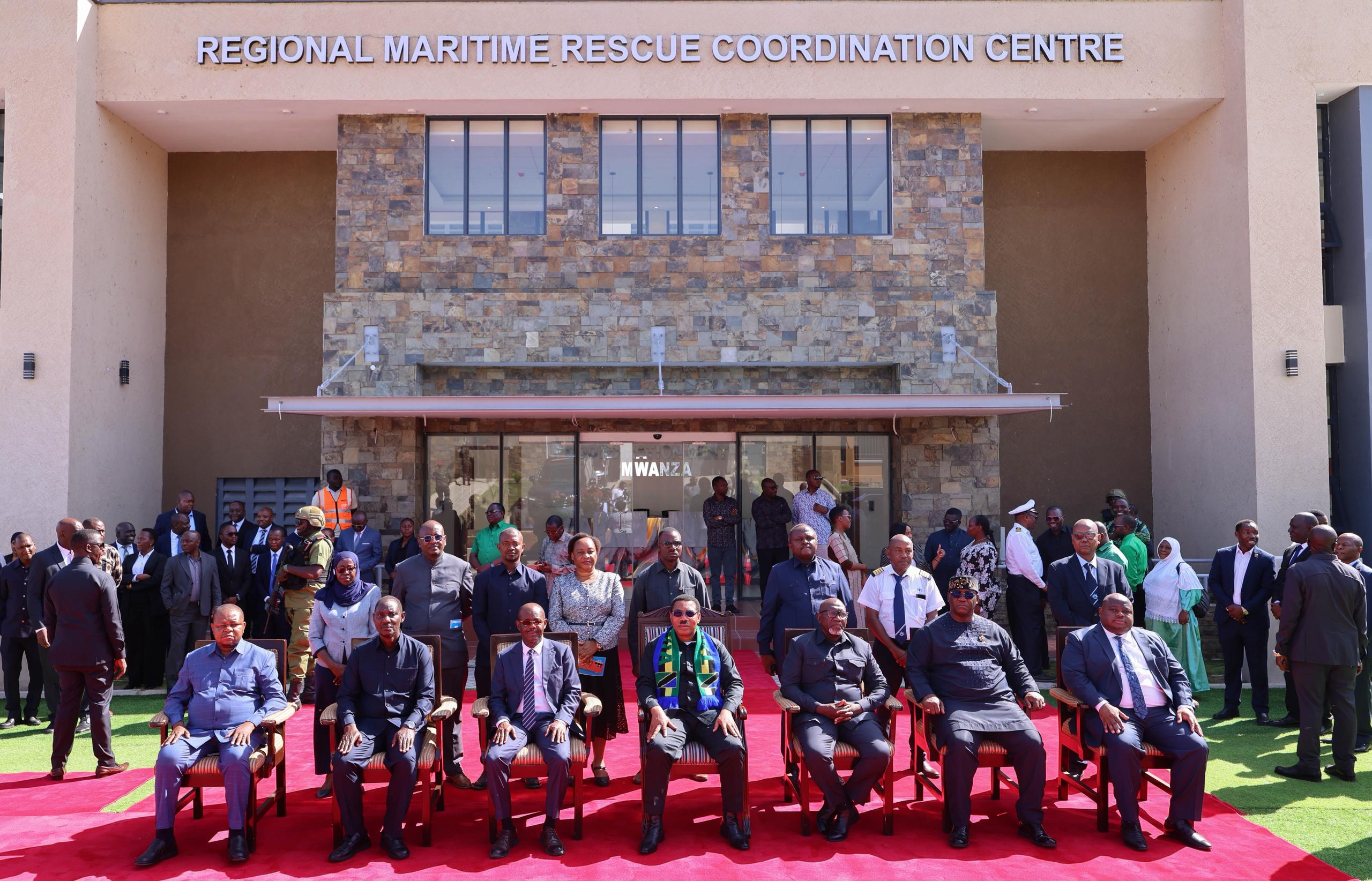
“This reflects a commitment to prioritise human life,” Dr Nchemba said. “Projects that had stalled for years have been revived so that citizens can benefit from critical public services.”
Transport Minister Prof. Makame Mbarawa said the facility was the first of its kind on Lake Victoria and marked a major step forward in addressing long-standing safety challenges.
He said the project cost about 19.8 billion Tanzanian shillings (approximately US$7.8 million) and confirmed that the ministry would continue investing in staff training and protection of the facility to ensure its long-term effectiveness.
Professor Mbarawa also highlighted the introduction of a dedicated emergency hotline, 110, enabling anyone in distress on the lake to quickly alert authorities and trigger a coordinated rescue response.
The Director General of the Tanzania Shipping Agencies Corporation (TASAC), Mohammed Salum, said the centre forms part of the Multinational Lake Victoria Maritime Communication and Transport Project, developed under the East African Community framework to improve safety and reduce accidents.
The project is jointly implemented by Tanzania and Uganda following Kenya’s withdrawal in 2020 and is coordinated by the Lake Victoria Basin Commission.
According to TASAC, the initiative includes three search and rescue centres along the lake shore, two rescue boats, a medical boat, and systems providing real-time weather information to support safer navigation.
Officials say the strengthened rescue infrastructure is expected to significantly improve emergency response, reduce fatalities and enhance confidence among lake users.
For communities that rely on Lake Victoria every day, authorities say the message is clear: safety on the water is increasingly a national priority.